By: Sarah Guralnick
What is Shein?

Shein, an online fast fashion company, has excelled in the competition between fashion brands, but their business practices are not without serious and harmful implications. Shein became the second most downloaded shopping app of 2021, according to Business of Apps. The store holds the position of “most Googled retailer in 113 countries – overtaking ZARA, adidas, and Nike” (Thred). Despite these positive statistics, Shein receives persistent pushback. This, I would say, deserved pushback, stems from several main reasons – violating labor laws, treating workers poorly, and harming the environment; the remainder of this article will focus on the latter.
Wastefulness and Shein
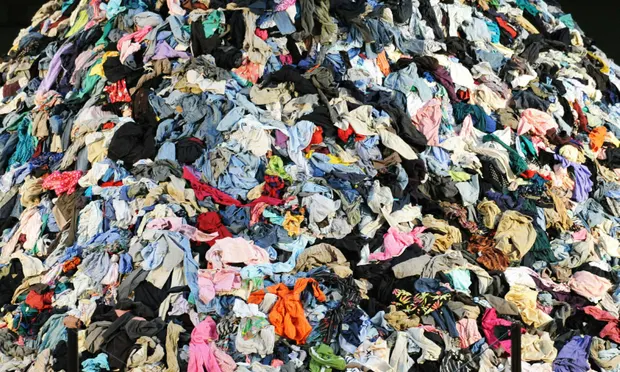
To provide perspective on waste in the clothing industry, roughly one garbage truck filled with clothing ends up in landfill sites every second (Earth.org). 85% of all textiles make their way to dumps annually (Earth.org). Fast fashion, including Shein, “encourages over consumption through marketing tactics and trend replication” (Business Insider). Furthermore, clothing can last over 200 years in a landfill before decomposing. When consumers or companies place perfectly wearable clothing items in landfills, we unnecessarily harm our health and environment. For example, clearing space for landfills disrupts and destroys the habitats of many organisms. As of 2021, according to the University of Colorado Boulder, the US supports “over 3,000 active landfills” (10,000 are closed), each approximately “600 acres.” Additionally, landfills release numerous gases (i.e., methane, carbon dioxide, water vapor), contributing to climate change and smog creation.

Fast fashion, as described by Earth.org, “involves the rapid design, production, distribution, and marketing of clothing,” producing large quantities at lower prices. Shein takes fast fashion and trends to another level. As explained by multiple news sources, Shein quickly discontinues any items that are not selling quickly, leaving the remaining clothing items to be discarded. Shein produces and replaces clothing on their website at a very rapid rate, in turn creating excessive amounts of waste. As displayed in the image above, Shein easily exceeds other popular fast fashion brands regarding the number of products listed.
Shein releases “6,000 new styles … a day,” while Zara, another popular fast fashion brand, releases “20,000 new styles each year” (Business Insider). This statistic clearly exemplifies the unrestrained number of products Shein releases, contributing to the large quantity of textiles ending up in landfills. The constant flow of new products, combined with ads and timed mark-downs (especially prevalent during the holiday season), encourage overbuying. Their “test and repeat” model, replicated by other fast fashion brands, quickly brings items in and out of the site. Additionally, most returns go directly to the landfill because it “costs more to put them back in circulation” (Guardian).
There are numerous opportunities and methods for clothing companies to become more environmentally friendly, yet it is not evident that Shein has made any significant changes. Another major company, Patagonia, has taken initiative and crafted their Worn Wear program. The program highlights their clothing repair services. Patagonia’s method encourages people to keep their clothing items for longer, limiting clothing waste that ends up in landfills.
Overbuying: Holiday Season Temptations

The holiday season presents an especially difficult time to restrain oneself from overbuying clothing. Timed markdowns are tempting. Immense sales are music to your ears. You come in looking for one item but check out with three. You buy several items with the intent to return some, not knowing they may never make their way back to the retailer. Restraining oneself from these enticing deals poses challenges, but remains necessary, nonetheless. Shein’s unbelievably low prices are indeed appealing, but not without serious implications. When we purchase clothing impulsively or merely for a good deal, we are more likely to dispose of it, contributing to the copious amount of textile waste.
An Instagram poll of our followers (@theoverlakehoot) demonstrated that 87% would refrain from supporting a company to lessen one’s environmental impact. Although we have a small sample size, extrapolating the data implies further education regarding which companies have harmful environmental practices could alter consumer behavior significantly.
With this, every time you shop, especially during the holiday season, be mindful of the companies you purchase from. You may question your impact, saying, “if I just buy one item, it won’t make a difference.” But when everyone thinks like that, it does make a difference – a harmful one. So be aware of the companies you support and how you manage discarding old clothing. Donate, sell, repair, or repurpose items that are still usable. Support companies that share the critical value of saving our environment, and Shein does not appear to be a company deserving our support.
Sources
University of Colorado Boulder: Environmental Center
Leave a Reply