How Zoning Divides our Cities
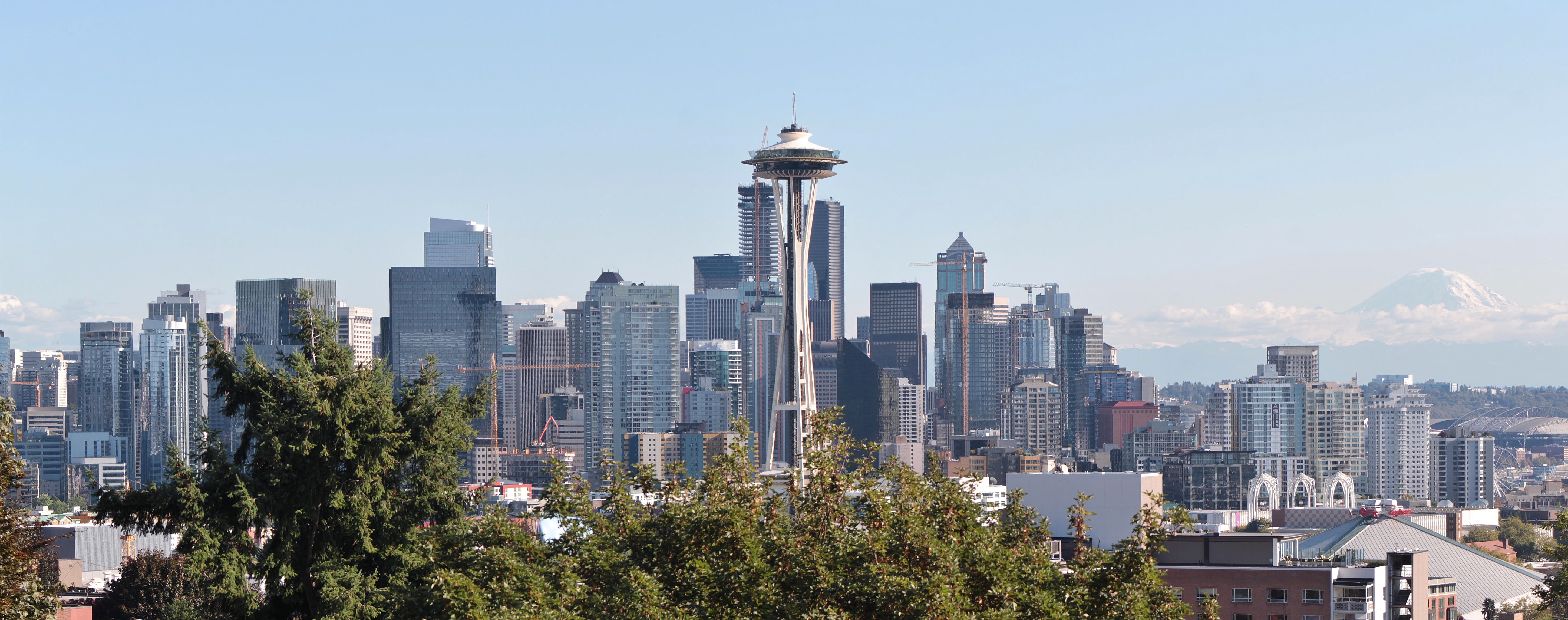
When most of us picture Seattle in our heads, our brains likely jump to this image:

The idyllic view of the Space Needle, city skyline, and Mount Rainier in the background is what you see on postcards, tourism ads, and google search images for Seattle. But this image above is just half the picture. Go on a quick walk or drive outside the city center, and you will quickly be greeted by this sight:

The high-rises and office buildings suddenly turn into regular old houses and manicured lawns.
This trend is very common in cities throughout North America. The city is sprawling and flat, and suddenly a bunch of towers pops up. Take a trip up north to Vancouver and glass high-rise apartments will greet you once you cross the bridge off of Granville Island.


However, take a look at a few cities across the globe and you immediately notice a difference:


Unlike North American cities, cities across the globe tend to have more “mid-level buildings”, where not every building is either a skyscraper or a house. This presents a problem for the large majority of people in North America, as the only housing options are either apartments or single-family homes. This phenomenon has been dubbed the “Missing Middle” by urban planners, and it affects almost every city in North America with few exceptions. Housing options such as townhomes, duplexes, and courtyards are few and far between.

So, when it comes to where to live in the U.S, people have to choose from either supersized meals or happy meals. But why is this? Why can’t developers simply decide to build townhouses and duplexes instead of just apartments or single-family homes?
The answer is quite simple really. It is because it is illegal. Nearly every city in North America has some form of zoning, where the government divides land into zones that each have a specific set of regulations regarding what types of developments can be built. Common zoning areas include commercial, industrial, mid-rise, high-rise, mixed, and single-family. Let’s take a look at a zoning map of Seattle. All the pink areas represent residential land zoned for single family homes, while the blue areas represent for other forms of housing (i.e., the “Missing Middle”). 81% of all resident land use in Seattle is zoned for single family homes, and in all the pink areas it is illegal to build anything besides a single-family home. This trend persists in nearly every major North American city.

But what is the problem with the vast amount of land zoned for single-family housing? And why is the “Missing Middle” an issue?
Firstly, strict zoning polices make it difficult to create affordable housing. Since it is illegal to build any form of multi-family housing in most of the country, creating a multi-family development built for affordable housing is incredibly difficult, as developers are already restricted on where they can build.
Additionally, zoning isn’t restricted to housing type. Some places include height restrictions on buildings, so while they may be zoned for multi-family buildings, height restrictions limit the effects of these multi-family developments. Parking requirements are also often written into zoning laws. Developers are required to set aside a certain number of parking spots for each resident (usually two). So, creating a multi-family home comes with the hassle of making a large enough parking space, which is a turn off for many developers.

Even if developers do decide to build multi-family housing, they are forced to build less of it because of minimum parking requirements and limited residential land zoned for multi-family housing. This in turn drives up the price for multi-family homes because the actual price of the land remains the same for the developer.

Cities continue to grow, and more people move into cities. But zoning laws continue to protect the single-family home, making it difficult to create affordable housing, and therefore pushing thousands of low-income residents out of the city. For example, Minneapolis’ population has grown by 12% in the last 10 years. However, housing construction has not kept up, sending rents and housing costs soaring, resulting in a dire housing shortage.
If developers do wish to build more housing within a city, they are often stuck with building high-rise condos to compensate for the reluctance to build other forms of housing. This leads to the scenario where high-rises are located right next to single-family homes, with no “middle housing” between them. Just take a look at Downtown Bellevue:

Or a more extreme example in Brentwood Town Center, BC:

These two images demonstrate exactly what the Missing Middle is. Often times the only two housing options that are available for developers to build are single-family homes or condos. But many people are beginning to see the promise in what “Middle Housing” has to offer: A more measured way to create desirable and affordable housing without resorting to glass condos or creating more urban sprawl.
Firstly, developing middle housing partly allows cities to become more walkable. For example, a part of the Missing Middle includes live-work developments, which are buildings with stores on the bottom floor and apartments on the upper floors. A few blocks of live-work buildings can create a walkable community where residents are able to shop for groceries, eat out, and have access to other necessities within walking distance.
Additionally, multi-family houses have been proven to be more environmentally friendly. Denser neighborhoods mean that people can more easily walk, bike, or take public transit. As urban sprawl takes place, residents are forced to drive long distances from suburb to surburb, releasing lots of CO2 emissions in the process. Smaller homes and apartments also take less energy to heat and cool. As the image below shows, areas in the city, which tend to have denser housing, have a smaller CO2 footprint as compared to the outer suburbs of a city. New York City, where only 15% of residential land is zoned for single-family homes, has by far the lowest carbon footprint out of any major American city.

Ultimately, the heart of the Missing Middle issue is just a set of rules and regulations. And rules and regulations can change. Minneapolis and Portland recently removed single-family zoning, and Vancouver created new policies to allow more homes of all shapes and sizes. Not all changes have to be dramatic as well. For example, non-profit organizations are springing up across the country encouraging individuals to creatively come up with ways to design new forms of housing. Eliminating simple laws such as parking and setback requirements can go a long way in creating more desirable and livable communities. For the first time in nearly a hundred years, more young Americans are moving into the city than the suburbs. It is time we take advantage of this urban revival.
Leave a Reply