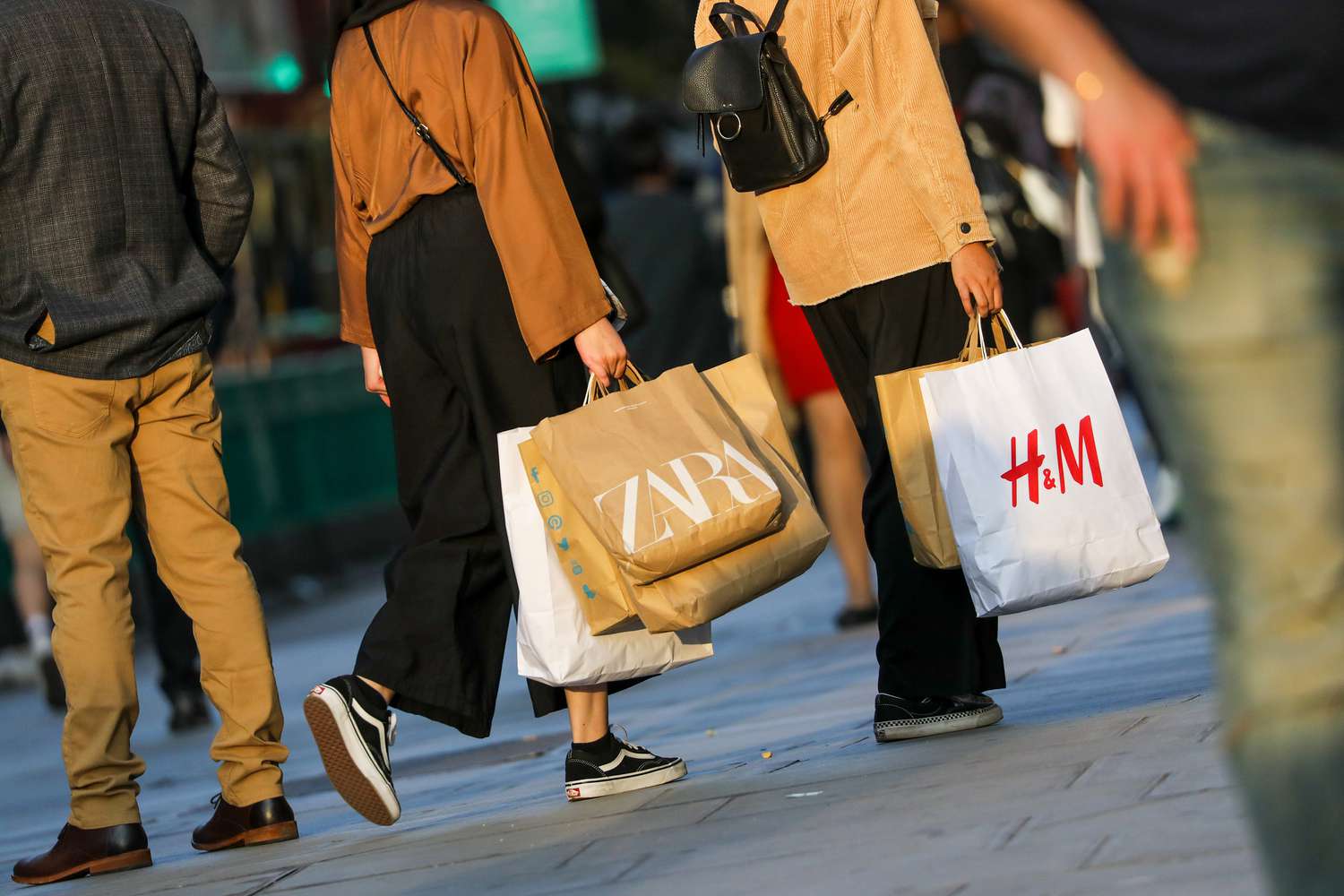
With the rapidly approaching summer vacation season, my friend needed help choosing some outfits. Beckoning me over to her phone, I was shown an endless array of summery clothing, not one over $15. After much deliberation, a shopping cart filled with fashionable pieces was finalized, amounting to an impressively low total for the amount of material purchased. From flimsy linen to crinkly denim, they all had one thing in common: by the end of August, the clothing all laid at the bottom of a landfill, worn no more than a few times each.
This is the reality of fast fashion.
The advent of fast fashion represents a relatively recent phenomenon, borne out of an era where trends evolve at breakneck speed. Retailers seized upon the demand for inexpensive, rapidly produced garments, ushering in an era where style became synonymous with accessibility. Yet, beneath the veneer of convenience lies an inconvenient truth: it is a privilege to indulge in the fleeting trends of fast fashion, a privilege that comes at a significant cost to both the environment and society at large.
Indeed, the relentless cycle of consumption perpetuated by fast fashion exacts a heavy toll, contributing to the staggering 92 million tons of textile waste generated annually. The onset of the pandemic served as a pivotal juncture, precipitating a seismic shift in consumer behavior. Traditional brick-and-mortar retailers ceded ground to the ascendance of e-commerce giants like Shein and Asos, valued at $100 billion and $2.7 billion respectively in 2022 (Curry). These digital titans, with valuations surpassing even industry stalwarts like H&M and Zara, epitomize the apex of fast fashion’s evolution. Rooted in a bedrock of efficiency and accessibility, their meteoric rise attributed to using the power of online platforms to churn out an incessant stream of new styles. By circumventing traditional supply chains and embracing overseas production, these brands offer the irresistible fusion of affordability and variety.
Overseas fast-fashion workers are subjected to grueling working conditions, as evidenced by empirical data and numerous reports. According to a study by the Clean Clothes Campaign, garment workers in countries like Bangladesh and Cambodia often work 60 to 80 hours per week, far exceeding legal limits, and are paid poverty wages, with some earning as little as $2 per day (“Unsafe Workplaces”). Furthermore, the Institute for Global Labour and Human Rights reports that approximately 85% of garment workers in Bangladesh experience harassment or verbal abuse in the workplace, while incidents of physical violence and sexual harassment are alarmingly prevalent. Safety standards are also woefully inadequate, with the Rana Plaza disaster in Bangladesh, which claimed the lives of over 1,100 garment workers, serving as a tragic reminder of the risks faced by those in the industry. These quantitative data points underscore the urgent need for improved working conditions and greater accountability within the fast fashion supply chain.
The allure of fast fashion lies in its ability to cater to the insatiable desire for novelty and self-expression. With new styles introduced weekly on platforms such as Instagram and TikTok, consumers are offered an artificial, perpetual sense of excitement and discovery, feeding into the human propensity for instant gratification. Moreover, the increasing accessibility of fashion facilitated by fast fashion has empowered individuals to express their identity and creativity without constraints. From fashion influencers to everyday consumers, social media platforms serve as virtual runways where trends are born and disseminated at lightning speed. This interconnected digital landscape fosters a culture of constant consumption and comparison, driving demand for the latest styles and fueling the rapid turnover of clothing.
Additionally, the accessibility of fast fashion has democratized fashion in a way that was previously unimaginable. No longer confined to elite circles or high-end boutiques, fashion has become accessible to individuals from all walks of life. Whether browsing online or perusing the racks of fast fashion retailers, consumers are met with an abundance of options tailored to their tastes and budgetary constraints. While artificially, this seems to make fashion more accessible, the reality is simply untrue: for lower-income consumers only wearing low-quality fast fashion clothing, there is a need to continually repurchase clothing simply because it falls apart. Although the upfront cost may appear cheaper, many individuals shoulder a similar cost over time, compared to purchasing sustainable, long-wearing pieces.
The environmental consequences of fast fashion are multifaceted and severe. One of the most glaring impacts stems from the massive amount of water and energy consumed during the production of garments. From cultivating raw materials like cotton to dyeing fabrics and manufacturing clothing, the textile industry is notorious for its resource-intensive processes. For instance, it takes approximately 2,700 liters of water to produce a single cotton T-shirt, and the dyeing process alone can pollute waterways with hazardous chemicals. The disposal of textile waste also presents a significant environmental challenge: unlike natural fibers, synthetic materials like polyester and nylon do not easily decompose, lingering in landfills for up to 200 years. As these garments degrade, they release harmful microplastics into the environment, further exacerbating pollution in oceans and ecosystems. Studies have shown that microplastics from synthetic textiles can enter the food chain, posing potential risks to human health and wildlife (“Effects of Microplastics”).
Furthermore, the reliance on international shipping in the fast fashion supply chain exacerbates the greenhouse gas emissions on a massive scale. The transportation of goods across vast distances requires large amounts of fuel, releasing carbon dioxide and other pollutants into the atmosphere. According to some estimates, the fashion industry accounts for around 10% of global carbon emissions, with the majority attributed to transportation and manufacturing processes (Schwartz).
Amidst the appeal of affordability and style, there exists a burgeoning awareness of the imperative for sustainable alternatives. Thrifting, repurposing old garments, and patronizing ethical and eco-friendly brands offer pathways towards a more conscientious approach to fashion consumption. By embracing these practices, consumers can play a pivotal role in shaping a future where fashion is not merely disposable but a reflection of our collective commitment to sustainability.
In a world where ephemeral trends boom and die with the fleeting passage of time, the true measure of fashion’s worth lies not in its price tag but in the legacy it leaves behind. In navigating the complexities of consumerism, we should collectively endeavor to make choices that reflect our values and contribute to a more sustainable future. The summer season is approaching again: and with this new turning of the seasons, allow our clothing choices to underscore our commitment to a greener, more sustainable future.
Works Cited
Beall, Abigail. “Why clothes are so hard to recycle.” BBC, 12 July 2020, http://www.bbc.com/future/article/20200710-why-clothes-are-so-hard-to-recycle. Accessed 21 Apr. 2024.
Curry, David. “Shein Revenue and Usage Statistics (2024).” Business of Apps, 8 Jan. 2024, http://www.businessofapps.com/data/shein-statistics/. Accessed 21 Apr. 2024.
“Effects of Microplastics on Fish and in Human Health.” Frontiers, Mar. 2022, http://www.frontiersin.org/articles/10.3389/fenvs.2022.827289/full.
“Garment Workers, Paid by the Piece, Say They’ll Keep Fighting to Change the System.” NBC News, 17 Sept. 2020, http://www.nbcnews.com/news/latino/garment-workers-paid-piece-say-they-ll-keep-fighting-change-n1237810. Accessed 11 Apr. 2024.
Maiti, Rashmila. “Fast Fashion and Its Environmental Impact.” Earth.org, 5 Jan. 2024, earth.org/fast-fashions-detrimental-effect-on-the-environment/. Accessed 21 Apr. 2024.
Okamoto, Katie. “Your Laundry Sheds Harmful Microfibers. Here’s What You Can Do About It.” The New York Times, 5 Aug. 2021, http://www.nytimes.com/wirecutter/blog/reduce-laundry-microfiber-pollution/. Accessed 21 Apr. 2024.
Schwartz, Natalie. “Here’s where fossil fuels exist in the fashion industry’s supply chain.” Fashion Dive, 27 Mar. 2023, www.fashiondive.com/news/fashion-industry-fossil-fuels-carbon-emissions-mapping/645992/#:~:text=But%20the%20fashion%20industry%20isn,of%20global%20greenhouse%20gas%20emissions. Accessed 21 Apr. 2024.
Sierra, Brittany. “The Psychology of Fast Fashion: Why Conversation About Fast Fashion Evokes Such Strong Emotions In Us.” The Sustainable Fashion Forum, www.thesustainablefashionforum.com/pages/the-psychology-of-fast-fashion-exploring-the-complex-emotions-fast-fashion-evokes-in-consumers#:~:text=Affordability%20is%20a%20major%20factor,products%20at%20a%20lower%20price. Accessed 21 Apr. 2024.
Leave a Reply